
Golf On Mars
Captain GamesSports
4.567.00 Reviews
- Version
- 1.0.11
- Installs
- 10.00K
- Age Rating
- Everyone
Screenshots
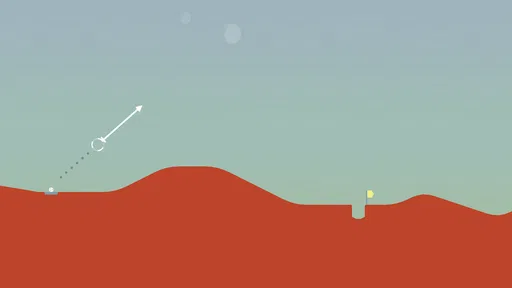
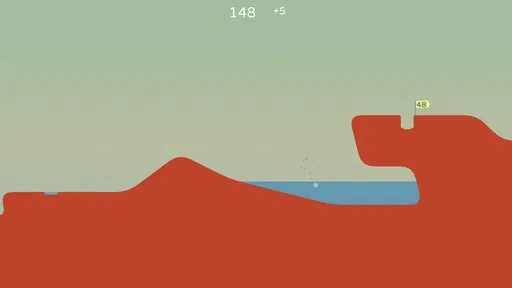
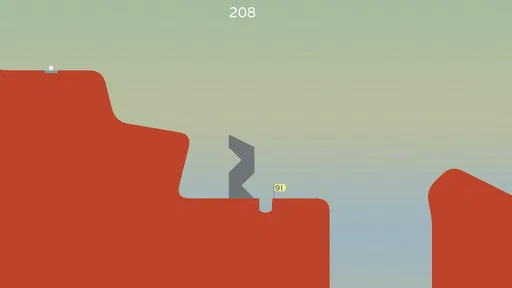
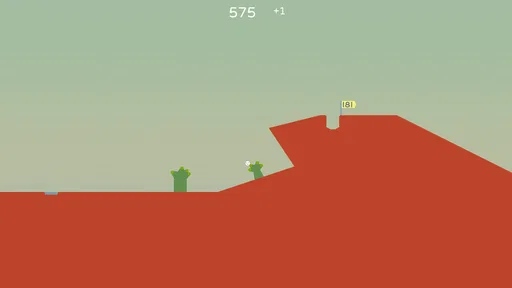
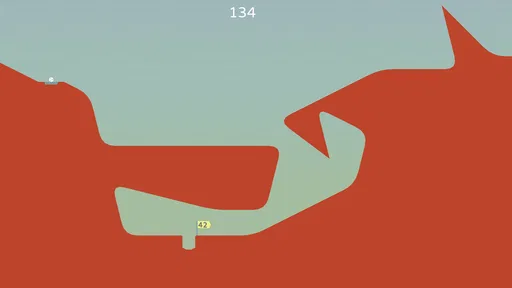
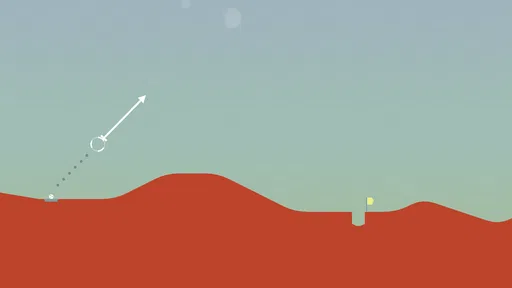
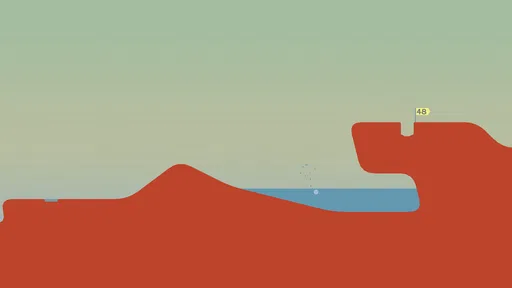
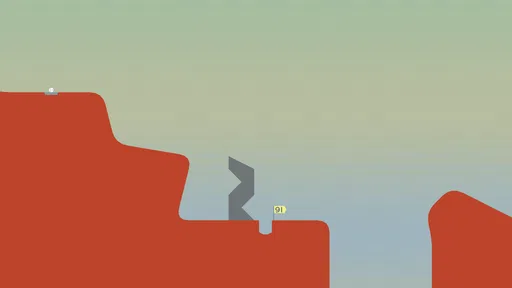
Our Review of Golf On Mars
 Analysis by Appyee
I went into Golf On Mars expecting a novelty sports game built around an unusual setting, and that is exactly where its appeal begins. The idea of taking a familiar golf format away from ordinary fairways gives every round a slightly strange, playful character. It is not trying to replace a full golf simulator or compete with a large online sports game. Instead, it offers a compact way to spend a few quiet minutes with a golf-themed challenge that feels different from the usual green-and-club presentation.
What makes it worth discussing is the contrast between the simple premise and the decision behind the setting. Golf is normally associated with open grass, trees, sand, and carefully maintained courses. Mars immediately changes that expectation. Even before considering whether it is the right game for you, the concept tells me this is aimed at players who enjoy a light, imaginative twist on a familiar sport rather than strict realism.
How the Mars setting changes the golf experience
Captain Games keeps the central identity clear: this is a sports game about golf, but the setting gives it a more unusual personality. The store summary asks whether golf could really exist on Mars, and the question works because it frames the game as a playful experiment rather than a conventional simulation. I found that distinction important when deciding what to expect from it. If you want authentic tournament presentation, licensed athletes, or a serious recreation of professional golf, this is probably not the direction you are looking for.
If, on the other hand, you like games that take a recognizable activity and place it somewhere unexpected, the premise does a lot of work. It gives the game an identity that is easy to remember and makes it more suitable for short, casual sessions. I would be comfortable recommending it to someone who wants a sports title with a science-fiction flavor, especially if they prefer a focused idea over a crowded package of modes and menus.
The most useful way to approach it is to treat each attempt as a small problem-solving session. Rather than expecting the atmosphere of a real golf club, I would play with the mindset of testing decisions, adjusting after mistakes, and seeing how the strange environment affects the familiar objective. That attitude also helps with the game’s limitations, because the appeal comes from its specific concept rather than from the breadth of a major sports franchise.
What feels quick when you start playing
Golf On Mars has the kind of premise that makes it easy to begin without a long explanation. A player who already understands the basic goal of golf can approach it immediately, while someone less familiar with the sport still has a simple objective to follow: make sensible shots and work toward completing the course. That low barrier is one of its strongest practical qualities.
In my experience, the speed expectation should be modest and realistic. This is not a game I would choose for a large, constantly changing sports ecosystem. Its attraction is the ability to settle into a focused round instead of managing a large amount of content. That makes it a good companion for a short break, a commute when you have a stable connection to your device’s controls, or a few minutes before bed when you want something more interactive than scrolling.
The unusual setting also gives the opening moments more character than a plain practice course would. Even when the underlying activity remains familiar, the Mars theme encourages curiosity. I found myself paying more attention to how the game presents the challenge because the environment creates a question: how does golf behave in a place where the surroundings are so different from Earth?
That curiosity is useful, but it should not be confused with endless variety. The concept is the hook, not a promise that every session will feel like a completely new sport. Players who need constant unlocks, social competition, or a deep career structure may find the experience too narrow. Players who enjoy repeating a compact challenge and improving their own decisions are more likely to appreciate the pace.
Where longer sessions can feel demanding
The heavier moments in a game like this are less about managing a busy sports roster and more about sustained attention. Golf asks you to slow down, judge a shot, and accept that a small mistake can affect the rest of an attempt. That rhythm can be relaxing when I am in the mood for it, but it can also feel deliberate if I want immediate action.
I would not recommend treating every session as a marathon. The game makes more sense in short or medium bursts, particularly for people who enjoy returning to a challenge and refining their approach. A useful routine is to play one attempt with no pressure to perform, notice where decisions go wrong, and then try again while changing only one part of your approach. That keeps the game from becoming a vague cycle of repeating the same mistake.
One non-obvious advantage of this style is that it can work as a small concentration exercise. I would play it during a break when I wanted something that required attention but did not demand the commitment of a full action game. The trade-off is that the same focus may feel like work if I am tired or looking for instant entertainment. Golf On Mars rewards patience more than frantic tapping.
Another practical tip is to avoid judging the game after a single poor attempt. Golf naturally makes one bad decision feel more important than it may be, and an unfamiliar setting can make the first few tries feel less intuitive. I found it more useful to separate a bad result from a bad experience. If the process of adjusting and trying again is enjoyable to you, the game has room to grow. If the result is all that matters, frustration may arrive quickly.
Stability, recovery, and everyday use
For reliability, I would keep expectations appropriate to a compact paid game. The current version is 1.0.11, and the title has been available since June 18, 2020. Those details make it feel like an established release rather than something that has just appeared and still needs to prove its basic identity. I still recommend installing it on the device you actually plan to use, because personal hardware and operating-system behavior can affect any mobile game.
The minimum requirement is Android 5.0, which gives it a broad compatibility range for Android users. That does not mean every older phone will provide the same experience, but it does make the game easier to consider if you are not using a recent flagship. I would be more cautious with an aging device that already struggles with ordinary apps, especially if storage is nearly full or the system frequently closes background tasks.
In an everyday scenario, I can see this working well during a quiet lunch break. I would open it, play a focused session, put the phone away, and return to work without needing to manage a long online match or coordinate with another player. It also suits a player who wants a paid game rather than an experience shaped around constant prompts to spend more. The upfront price is $2.99, so the decision is straightforward: pay once and decide whether the focused concept earns a place on your phone.
Recovery matters more than many store descriptions admit. If you are interrupted by a call, message, or another task, the important question is whether you can comfortably return to the game without feeling that the whole session has been wasted. I would avoid beginning a serious attempt when I know I will be interrupted repeatedly. Golf’s deliberate rhythm means that losing concentration can be more disruptive than it would be in a simple arcade game.
I also would not use it as a background game while watching a video or listening closely to a podcast. The value comes from paying attention to each decision, so splitting your focus weakens the main reason to play. That is a useful boundary: it is casual in commitment, but not necessarily passive in moment-to-moment attention.
Hardware limits and resource expectations
The broad Android requirement is encouraging for people with older phones, but compatibility and comfort are not the same thing. A device may meet the operating-system requirement and still feel less pleasant if it has a small display, unreliable touch input, or very limited free storage. Golf depends on clear control and timing, so a screen that makes interaction awkward can matter more than raw processing power.
I would also consider battery condition. A healthy modern phone should be the sensible starting point for a game of this scale, while an older battery that already drains quickly may make any game feel inconvenient. I cannot treat the title as universally light or universally demanding across every handset, so my practical advice is simple: try it on the device you own, keep the system updated enough to support the minimum requirement, and avoid judging performance from a phone with unrelated background problems.
Storage is another everyday constraint. The game is priced as a small paid purchase, but that does not remove the need for room for installation and normal system operation. If your phone is almost full, clearing unused downloads before installing is a better first step than blaming the game for sluggish behavior. This is especially relevant on older Android hardware, where low free space can make the whole device feel less responsive.
Players who need accessibility details before buying should examine the controls directly on their intended device and consider whether the visual presentation is comfortable for extended play. The content rating is Everyone, which makes the game broadly suitable from an age perspective, but that rating does not answer every practical question about screen size, touch sensitivity, or personal comfort. I would treat those as device-specific decisions.
Who will enjoy it, and who should pass
I think Golf On Mars is best for a player who likes compact sports games, unusual themes, and repeated attempts at a focused challenge. It is especially appealing if the phrase “golf on Mars” sounds more interesting to you than a standard digital recreation of a golf course. The game has an immediate identity, and that matters when a phone contains dozens of interchangeable time-fillers.
It is also a reasonable pick for someone who prefers buying a game directly instead of entering a free-to-play loop. The price is $2.99, and the game’s Everyone rating makes it easy to consider for a broad household audience. The developer, Captain Games, presents a concept that is simple enough to explain in one sentence but distinctive enough to stand apart from ordinary sports apps.
I would skip it if your priority is licensed realism. Traditional golf alternatives are better when you want recognizable courses, detailed player progression, competitive rankings, or a presentation that mirrors television coverage. I would also skip it if you want fast arcade action every second, because the golf format naturally creates pauses for thinking and adjustment.
There is a third group that may not find the value convincing: players who need a large amount of content before a game feels worthwhile. A small, focused title can be refreshing, but it can also feel limited beside a major sports game. The choice depends on whether you measure value by breadth or by how effectively a single idea holds your attention. I lean toward the latter here, but only for the right audience.
How it compares with ordinary golf games
Compared with realistic golf games, this title wins on personality and loses on simulation depth. A conventional alternative may offer more familiar rules, more recognizable presentation, and a stronger sense of a complete sporting career. Golf On Mars has a narrower goal: make the sport feel novel by changing the context. That is not automatically better, but it is more distinctive.
Compared with free arcade golf games, the paid model can be appealing to people who dislike interruptions and aggressive monetization patterns. The trade-off is that you should not expect the same sense of a continuously expanding service. I would choose this game when I want a self-contained purchase with a clear theme, and choose a free alternative when I want to sample several styles before committing money.
Compared with a full console-style sports experience, it is easier to fit into a phone routine but less suitable for an evening built around deep progression. That difference is not a flaw by itself. It simply means the game belongs in the space between a quick casual pastime and a serious golf simulation. Knowing that before installing it will prevent the most common disappointment: expecting a complete professional-golf package from a deliberately unusual mobile concept.
My performance verdict
After looking at speed, longer-session demands, recovery, and device constraints together, I see Golf On Mars as a focused sports game whose performance expectations should remain grounded. Its strongest quality is not technical spectacle; it is the clarity of its idea. The Mars setting gives a familiar activity a memorable frame, and the compact format makes it suitable for players who want a short, self-directed break.
The title has a 4.5 average from around 358 ratings, with roughly 67 written reviews, and it has reached over 10K installs. Those figures suggest that the concept has found a receptive audience, but I would still use them as context rather than a substitute for matching the game to your habits. A strong average cannot make a patient golf game enjoyable for someone who wants constant action, and a modest install count does not make a distinctive game irrelevant.
My recommendation is positive, with a clear condition: buy it because you want a compact golf game with a strange planetary identity, not because you expect a feature-heavy simulation. I would install it on a reasonably maintained Android device, play in short sessions, and give myself several attempts before deciding whether the rhythm works. That approach lets the game’s central idea breathe without asking it to be something larger than it is.
My honest verdict: choose Golf On Mars if originality and focused play matter more to you than scale. It is a good fit for a curious casual golfer, a fan of offbeat sports concepts, or anyone who wants a paid mobile game that can occupy a small pocket of the day. It is not the right choice for competitive online depth, licensed realism, or nonstop arcade energy. Within its own lane, though, the unusual setting gives it enough character to make a simple golf session feel worth trying.
Verdict
Strengths of Golf On Mars
- Simple controls make it easy to start playing immediately.
- Short holes are ideal for quick gaming sessions.
- Low-pressure gameplay is relaxing rather than competitive.
- Mars-themed visuals give the game a distinctive atmosphere.
- Offline play makes it suitable for travel or limited connectivity.
Limitations of Golf On Mars
- The minimalist presentation may feel too plain for some players.
- Limited gameplay variety can make longer sessions repetitive.
- No multiplayer mode for competing with friends.
- Progression and rewards are fairly modest.
- Some shots require patience because the terrain can be unforgiving.
Similar Picks in This Category
View All
8 Ball Pool
Miniclip.com4.8

Pooking - Billiards City
AIM TOP GAME TECHNOLOGY LIMITED - pool4.6

Carrom Pool: Disc Game
Miniclip.com4.4

EA SPORTS FC Soccer Mobile 26
ELECTRONIC ARTS4.6

World Soccer League
mobirix4.3

Soccer Cup 2026: Football Game
INLOGIC SPORTS - football tennis golf soccer4.3
Frequently Asked Questions
What is Golf on Mars?
Golf on Mars is a minimalist physics-based golf game set on the surface of Mars. Instead of traditional courses, it presents procedurally generated terrain with hills, craters, and uneven landscapes. The objective is simple: aim your shot, adjust the power, and complete each hole in as few strokes as possible. Its unusual setting and relaxed presentation make it feel different from conventional golf games.
How does the gameplay work in Golf on Mars?
The controls are designed to be straightforward, making the game easy to understand after only a few shots. You generally choose the direction of the ball and control the strength of each swing, while the Martian terrain determines how the ball rolls and bounces. Success depends on reading slopes, planning around obstacles, and learning how the physics react to the landscape.
Does Golf on Mars require an internet connection?
Golf on Mars is primarily a single-player experience, so it is suitable for playing without constant online interaction. However, connection requirements can vary depending on the device, operating system, store version, and features such as advertisements or analytics. It is best to install the official version first and test it in offline mode before relying on it during travel.
Is Golf on Mars suitable for beginners and casual players?
Yes, Golf on Mars is accessible to casual players because its main concept is easy to grasp and the controls are not overloaded with complicated menus or systems. Nevertheless, the physics and unpredictable terrain can make later attempts surprisingly challenging. Players who enjoy short sessions, experimentation, and improving their score will likely find it more appealing than those seeking a conventional competitive golf simulation.
What should I know before downloading Golf on Mars?
Before downloading Golf on Mars, keep in mind that it focuses on simple physics-based gameplay rather than licensed golfers, realistic courses, online multiplayer, or a deep career mode. Its appeal comes from the atmosphere, procedural landscapes, and unusual golfing challenge. Check the current store listing for device compatibility, price, advertising, in-app purchases, and the latest update information.
Play our best games!


